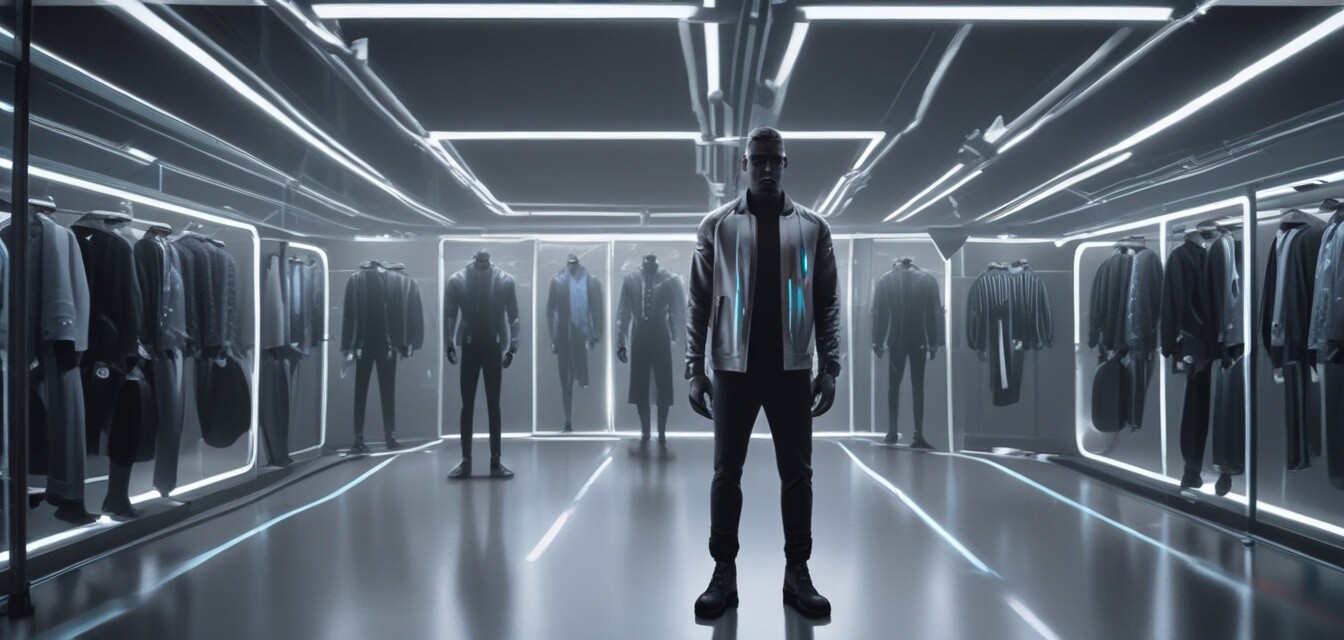
The 2025 Tech Fashion Forecast: What to Expect
Key Takeaways
- Integration of smart fabrics will dominate men's wear.
- Wearable technology will blend seamlessly with everyday fashion.
- Focus on sustainability will shape tech innovations.
- Augmented reality will enhance the shopping experience.
- Emerging trends will bridge the gap between tech and style.
The future of men's fashion is vibrant, exciting, and infused with technology. As we step into 2025, a wave of innovations is set to redefine how we view style. From smart fabrics that adapt to different environments to augmented reality changing the shopping experience, the landscape of men's clothing is evolving at an unprecedented pace. In this article, we’ll explore what trends we can expect and how technology will play a pivotal role in shaping men’s wear.
Leading Trends in Tech Fashion for 2025
1. Smart Fabrics Revolution
Smart fabrics have already started making waves in the fashion industry, but by 2025, this trend will reach new heights. These fabrics will not only monitor body temperature but also self-regulate, ensuring comfort in various conditions.
2. Wearable Technology Integration
Tech-enhanced accessories are expected to become commonplace. Expect smartwatches that blend naturally with formal attire and fitness trackers that can be integrated into stylish ensembles. The convenience of tech without compromising style will redefine everyday wear.
3. Sustainability Meets Innovation
As sustainability continues to be at the forefront, fashion brands are likely to invest in eco-friendly materials and sustainable production processes. This combination of technology and environmental consciousness will produce fashion-forward pieces that are also responsible.
4. Augmented Reality Shopping Experiences
Imagine trying on clothes without ever stepping foot in a store. Augmented reality (AR) is poised to enhance the shopping experience exponentially. Consumers will be able to visualize how various items fit into their wardrobe before making a purchase. This transformation will encourage more confident buying decisions and reduce returns significantly.
5. Personalized Design Through Data
Data-driven fashion will emerge, allowing customers to customize their wardrobes based on personal preferences and lifestyle needs. Brands will harness data analytics to offer tailored recommendations, keeping consumers engaged and satisfied.
Future Materials to Look Out For
| Material | Key Features | Benefits |
|---|---|---|
| Graphene | Lightweight, strong, and conductive | Durability and heat regulation |
| Self-cleaning fabrics | Water-resistant and stain-resistant | Low maintenance and lasting freshness |
| Phase-change materials | Temperature regulating | Comfort in varying environments |
| Recycled polyester | Eco-friendly alternative to virgin polyester | Reduced environmental impact |
Emerging Tech Tools in Fashion Design
Moving towards 2025, fashion designers will adopt advanced tools that will reshape creativity. Here are some tools expected to make a significant impact:
- 3D printing: Enables rapid prototyping, allowing designers to innovate quickly.
- AI styling tools: Offers insights and suggestions based on current trends and analytics.
- Virtual reality runway: Will create immersive fashion shows, accessible globally.
Conclusion
As we embrace the technology-driven future of men's fashion, 2025 promises innovative changes that will redefine style. The intersection between wearability and cutting-edge technology will foster an industry that not only caters to the modern man's aesthetic needs but also emphasizes comfort and functionality. Stay tuned to our News and Trends section for continual updates on the latest innovations!
Tips for Staying Ahead in Tech Fashion
- Follow influential tech fashion blogs.
- Engage in fashion communities online for interaction and feedback.
- Attend fashion expos and tech showcases to visualize trends firsthand.
- Invest in versatile pieces that incorporate tech for everyday use.
Pros
- Innovations increase comfort and functionality.
- Sustainable practices benefit the environment.
- Personalization enhances the shopping experience.
- AR and VR reshape of how we interact with fashion.
Cons
- Technology may sometimes overshadow classic styles.
- Sustainability can come at a higher cost.
- Rapid changes can overwhelm consumers.
- Dependency on technology might affect traditional craftsmanship.