The Influence of 3D Printing on Men's Fashion
Key Takeaways
- 3D printing offers remarkable customization options in men's fashion.
- This technology enables innovative designs and complex structures that traditional methods can't achieve.
- 3D printing promotes sustainable fashion by reducing waste.
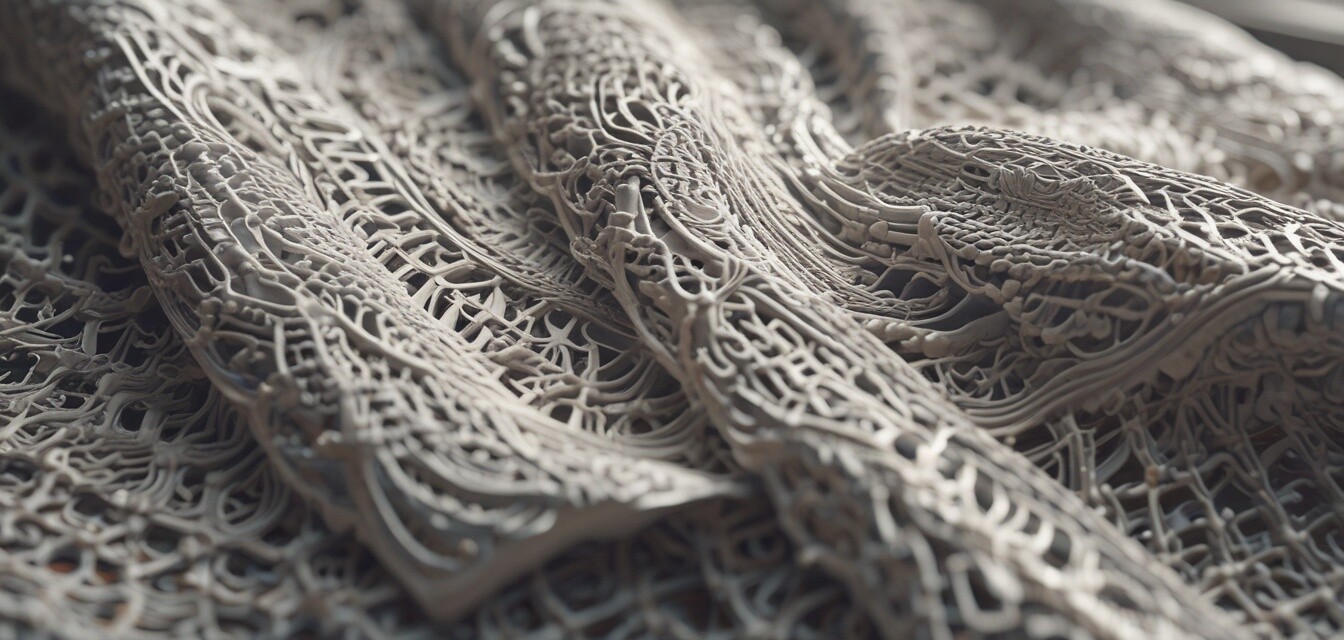
- The evolution of 3D printed textiles is transforming the fashion industry.
- Integrating 3D printing with smart fabrics can enhance functionality.
In recent years, 3D printing has revolutionized various industries, and men's fashion is no exception. This cutting-edge technology allows for unprecedented customization and offers innovative designs that are changing the way we think about clothing. In this article, we'll explore how 3D printing is influencing men's fashion, the benefits of this technology, and where it's heading in the future.
Understanding 3D Printing Technology
3D printing, also known as additive manufacturing, involves creating objects layer by layer from a digital file. Materials such as plastic, metal, and even fabric can be used to produce intricate designs and unique pieces. This technology has grown from simple prototypes to complex items, becoming increasingly accessible for fashion designers.
The process of 3D printing in fashion
The 3D printing process in fashion typically involves the following steps:
- Design: Fashion designers create digital models of their clothing using computer-aided design (CAD) software.
- Preparation: The digital model is prepared for printing, ensuring compatibility with the chosen material and printer.
- Printing: The printer creates the garment layer by layer, which can take several hours or days depending on complexity.
- Finishing: After printing, garments may require additional treatments, such as dyeing or assembling.
Benefits of 3D Printing in Men's Fashion
3D printing offers several advantages that are particularly beneficial in the world of fashion:
Pros
- Customization: Individuals can design their garments tailored to personal preferences.
- Innovation: Designers can create complex structures and patterns that were previously unattainable.
- Sustainability: Reduces material waste by only using what is needed for the garment.
- Speed: Rapid prototyping speeds up the design and production process.
Cons
- Cost: Initial investment for 3D printing technology can be high for small brands.
- Material limitations: Not all materials are suitable for 3D printing, which can limit design options.
- Durability: Some 3D printed materials may not be as durable as traditionally manufactured fabrics.
Customization: The Future of Men's Fashion
One of the most exciting implications of 3D printing in men's fashion is customization. Customers can choose colors, patterns, and even fit, allowing them to wear unique pieces that reflect their style. This personalization fosters a deeper connection between the consumer and the product. Brands are beginning to adopt this customized approach, leading to a more tailored shopping experience.
Case studies: Successful integrations of 3D printing
Numerous brands have explored the integration of 3D printing into their product lines:
- Adidas: The company has developed 3D printed shoes, showcasing intricate designs and improved fit.
- Reebok: Reebok introduced a line of 3D printed sneakers that emphasize lightweight technologies while maintaining style.
- Continuum: A forward-thinking brand that creates fully customized suits using 3D printing for a perfect fit.
The Future of 3D Printing in Men's Fashion
As technology evolves, the applications of 3D printing in men's fashion will continue to grow. Innovations in materials such as bio-fabric or smart textiles that can change properties will further enhance the capabilities of 3D printing.
Potential Use Cases
Here are some potential future trends involving 3D printing:
| Trend | Description |
|---|---|
| Smart integration | Wearable tech integrated within 3D printed clothing for seamless functionality. |
| Sustainability efforts | Further reduction of waste by printing garments on demand. |
| Collaborations | Design partnerships between tech companies and fashion brands. |
| Mass customization | Brands offering extensive customization options as a standard practice. |
Conclusion
The influence of 3D printing on men's fashion is undeniable. As this technology continues to grow, it opens the door for customization, innovation, and sustainability. Brands that embrace these advancements will not only stay ahead of the competition but also set new standards in the industry.
For more trends in tech-integrated men's fashion, check out our News and Trends section!
To explore product categories that incorporate technology into men’s clothing, visit our Augmented Reality Apparel and Smart Fabrics pages.