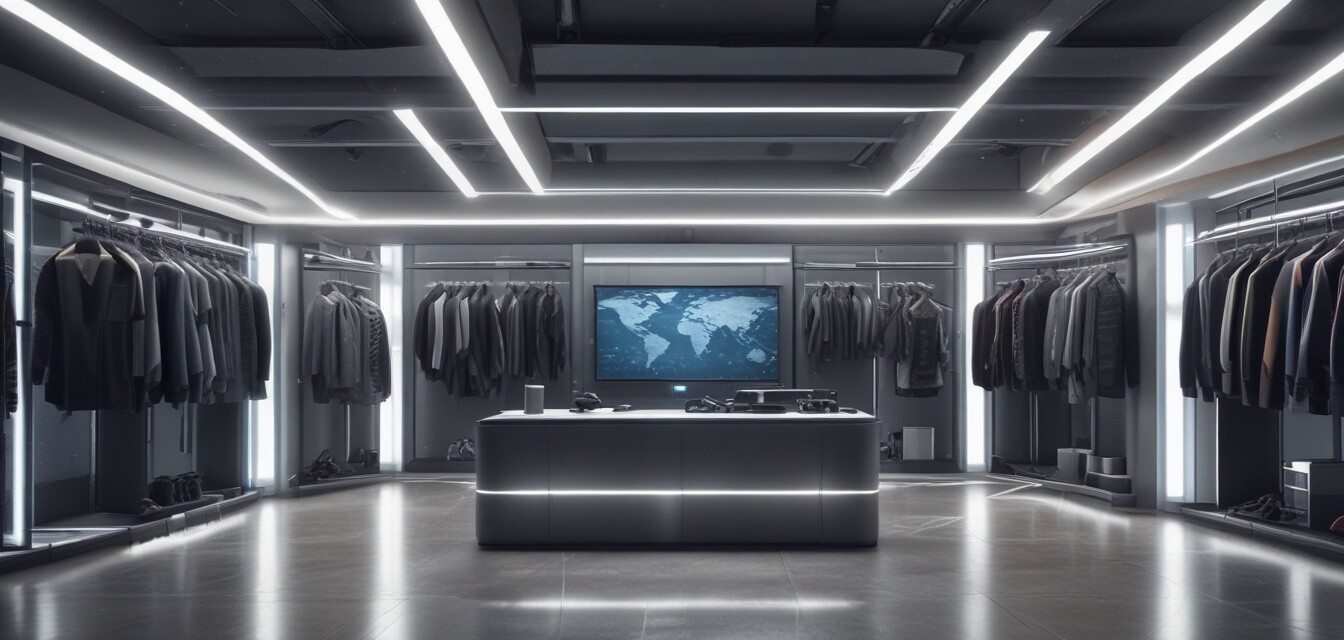
The intersection of fashion and tech in 2025
Key Takeaways
- Fashion and technology are merging seamlessly, leading to innovative clothing options.
- In 2025, personalized smart fabrics will dominate the market.
- Wearable gadgets will become essential accessories for the modern man.
- Expect sustainable technology adoption as eco-friendly practices gain traction.
- Fashion shows will showcase vibrant blends of style and tech, influencing everyday wear.
The world of fashion is undergoing a transformative period, particularly in the realm of men's clothing. By 2025, the intersection of fashion and technology promises some exciting advancements that will redefine our wardrobes. This exploration delves into what trends to anticipate, focusing on how these technological integrations will enhance lifestyle and efficiency without compromising style.
The evolution of smart fabrics
Smart fabrics are at the forefront of the fashion-tech revolution. These innovative materials are designed to adapt to a variety of conditions, offering convenience and functionality. The year 2025 will see these fabrics becoming even more widespread. Below are some anticipatory traits and innovations expected:
| Feature | Description |
|---|---|
| Temperature regulation | Fabrics that keep the wearer warm when cold and cool when hot. |
| Moisture management | Materials that wick away sweat for optimal comfort. |
| Self-cleaning properties | Fabrics that repel stains and odors, reducing laundry needs. |
| Health monitoring | Integration of sensors to track vital signs directly through clothing. |
Wearable gadgets and their growing popularity
Wearable technology is evolving beyond watches and fitness trackers, expanding to include accessories like smart glasses and clothing that allows connectivity with other devices. As we approach 2025, these gadgets will become essential components of men's fashion, enhancing both functionality and style. Here are some advancements to expect:
- Increased integration with daily tasks, such as organization, reminders, and navigation.
- Enhanced battery life and aesthetics, making them appealing and unobtrusive.
- Advanced health features, including posture correction and activity reminders.
Sustainability in tech-integrated fashion
As environmental awareness rises, the demand for sustainable practices within the fashion industry becomes more pressing. In 2025, we can expect a significant shift towards eco-friendly tech that not only looks good but also feels good about its environmental impact. This includes:
| Sustainability Aspect | Tech-Integrated Solutions |
|---|---|
| Recycled materials | Using old textiles to create new smart fabrics. |
| Reduced waste | Manufacturing methods that minimize leftover material. |
| Biodegradable tech | Integrating technology that breaks down without harm to the environment. |
The role of fashion shows in shaping tech trends
Fashion shows will continue to act as a barometer for upcoming trends, and with the growing integration of technology, the showcases will become even more exciting. Attendees will witness the marriage of tech and design in stunning displays. Here’s how these shows will evolve:
- Virtual reality experiences that allow viewers to engage with the collection beyond surface level.
- Live demos of smart clothing features during runway presentations.
- Interactive installations that allow audiences to try on clothes virtually.
Conclusion
As we cast our eyes forward to 2025, the intersection of fashion and technology is poised to reshape the landscape of men's wear dramatically. With smart fabrics, the rise of wearable gadgets, and a strong focus on sustainability, we can anticipate a stylish future rooted in efficiency. Fashion will not just be about looking good; it will be about feeling great and supporting a healthier planet.
Pros
- Innovative designs enhance practicality in everyday wear.
- Customization and personalization features boost user satisfaction.
- Sustainable options contribute positively to the environment.
- Integration of technology helps streamline daily activities.
Cons
- Over-reliance on technology may lead to detachment from traditional fashion.
- Potential higher costs of tech-integrated clothing.
- Shorter product lifecycle due to rapid tech advancements.
In this rapidly evolving world of tech-integrated men’s fashion, staying informed is essential. For more insights and information, be sure to check out our News and Trends section or explore the exciting world of augmented reality apparel and smart fabrics.