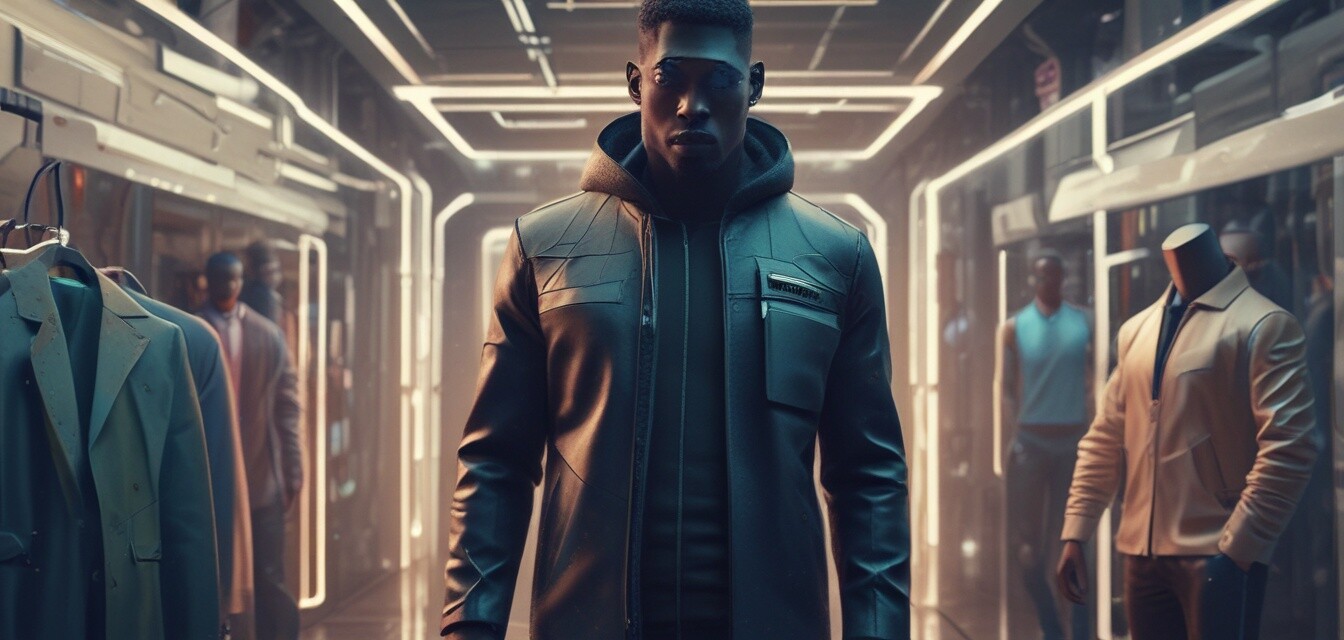
The Intersection of Fashion and Function in 2025
Key Takeaways
- Tech integration is reshaping men's clothing for functionality and style.
- Smart fabrics are enhancing comfort and performance.
- Augmented reality in apparel is opening new realms of creativity.
- Connected outerwear is revolutionizing how we perceive functionality in fashion.
- Understanding these trends is essential for modern fashion choices.
As we move deeper into 2025, the boundaries between fashion and technology are becoming increasingly blurred. Innovations are redefining what it means to wear clothing, particularly in men's fashion. The integration of technology into our daily attire is not merely a trend; it's evolving into a necessity. Let’s explore the latest developments at this exciting convergence.
The Rise of Smart Fabrics
One of the most significant shifts in men's clothing is the introduction of smart fabrics. These materials offer various benefits, including:
- Enhanced moisture-wicking capabilities
- Temperature regulation
- Durability and stain resistance
Smart fabrics not only improve comfort but also elevate style. For example, clothing that adjusts to body temperature keeps the wearer comfortable throughout the day.
Examples of Smart Fabrics Trends
| Fabric Type | Benefits | Potential Uses |
|---|---|---|
| Phase Change Materials (PCM) | Regulates temperature | Activewear, jackets |
| Moisture Management Fabrics | Wicks away sweat | Casual shirts, trousers |
| Stain-Resistant Fabrics | Resist spills and dirt | Business attire, sportswear |
Augmented Reality Apparel
Augmented reality (AR) is making waves in the fashion industry, especially in men's wear. AR-enabled clothing allows wearers to experience a unique interaction with their garments.
- Try before you buy through virtual fitting rooms.
- Layer on digital designs that synchronize with physical garments.
- Interactive fashion shows that enhance consumer engagement.
By offering immersive experiences, AR is reshaping the landscape of shopping, keeping customers engaged and excited about their selections. For more insights on augmented reality in clothing, check our dedicated section on augmented reality apparel.
The Evolution of Connected Outerwear
Connected outerwear is arguably one of the most exciting developments. Coats and jackets embedded with technology can provide:
- Weather updates
- GPS tracking
- Bluetooth connectivity for your devices
This level of connectivity allows wearers to stay informed without reaching for their phones. Learn more about this exciting innovation by visiting our section on connected outerwear.
Innovative Features of Connected Outerwear
| Feature | Benefit | Recommendation |
|---|---|---|
| Bluetooth speakers | Listen to music on-the-go | Great for outdoor activities |
| Charging pockets | Power your devices anytime | Ideal for commuters |
| Weather notifications | Stay updated in real-time | Perfect for unpredictable climates |
Understanding Consumer Needs
As the tech-fashion landscape evolves, understanding the consumer's perspective becomes crucial. People are not just looking for looks; they want:
- Functionality
- Durability
- Style versatility
Consumers today seek clothing that meets their lifestyle demands. For tips and strategies on how to stay ahead in this market, check our buying guides.
The Future of Tech-Integrated Fashion
Looking forward, we can anticipate further innovations that integrate fashion with technology. Here are some upcoming trends to watch:
- Increased personalization options through AI-driven fashion.
- Eco-friendly smart apparel.
- The advent of virtual reality in fashion design and retail.
Final Thoughts
2025 is shaping up to be a transformative year for men's fashion. The intersection of fashion and function is challenging traditional norms, offering exciting opportunities for expression and utility. Staying informed on these trends not only enhances personal style but also prepares consumers for the future of fashion. Explore more futuristic apparel by visiting our News and Trends section.
Pros
- Strong blend of functionality and aesthetics.
- Enhanced performance in daily wear.
- Engaging shopping experiences.
Cons
- Higher price points for tech-integrated clothing.
- Potential maintenance challenges.
- Dependence on technology may complicate usage.