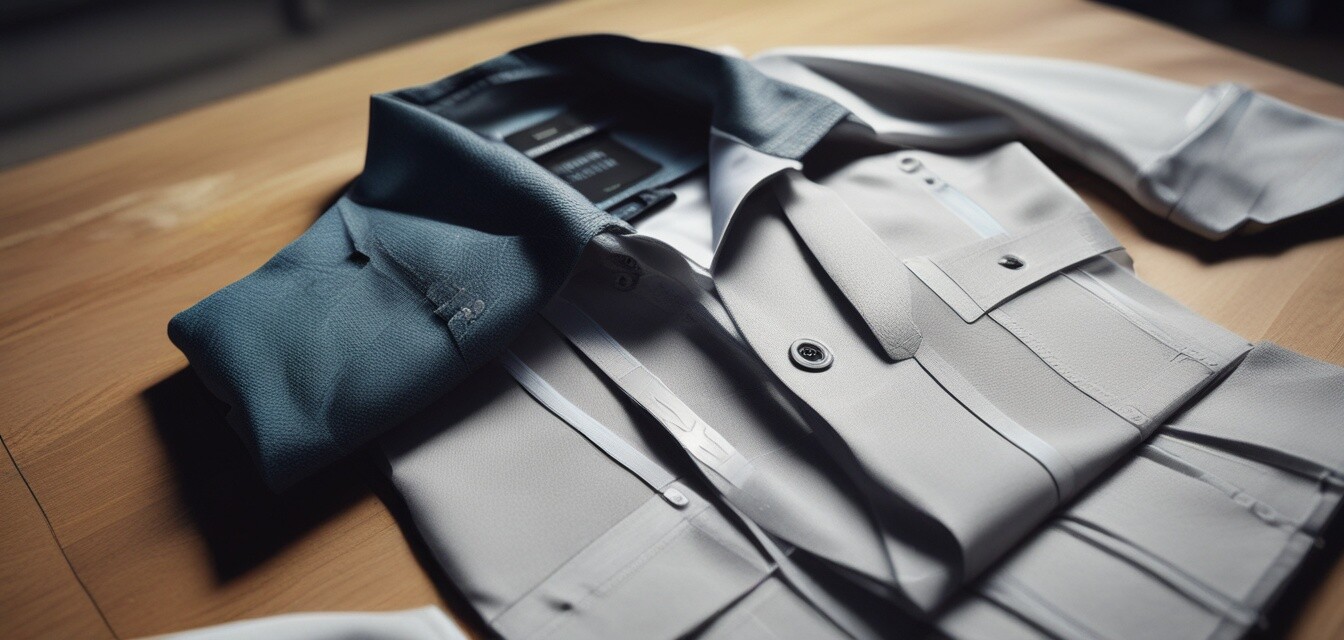
Merging Tradition and Modernity in Men's Wear
Key Takeaways
- The merging of traditional and modern elements in men's fashion creates innovative clothing options.
- Smart fabrics and wearable tech enhance the functionality of men's wear.
- Current trends showcase a desire for both style and practicality in everyday attire.
- Consumer preferences are shifting towards clothing that offers personal and environmental benefits.
- The integration of technology in fashion fosters a new level of personalization and customization.
As the world steps further into 2025, men's fashion is undergoing a remarkable transformation. The long-standing traditions in men's wear are evolving through the seamless integration of modern technology. Today, we explore how this convergence of tradition and modernity is shaping the way we dress.
Traditional men’s fashion: A foundation for modern innovation
Traditionally, men's fashion has revolved around classic styles, emphasizing quality fabrics, tailored cuts, and timeless designs. However, as lifestyles change, so do fashion expectations. The dressing priorities of the modern man now include versatility, functionality, and, increasingly, the incorporation of technology.
Today’s consumer is always on the lookout for garments that aren't just aesthetically pleasing but also serve practical purposes. This shift is leading to the rise of tech-integrated men's wear where the fabric itself may respond to the environment or provide additional functionality.
The role of smart fabrics
Smart fabrics have become a pivotal element in this transformation. These materials respond intelligently to their surroundings and can adjust to temperature, moisture, and other environmental factors. For instance, certain smart fabrics offer increased breathability, while others keep you warm when needed.
| Traditional Fabric | Smart Fabric | Key Benefit |
|---|---|---|
| Cotton | Phase Change Material | Adapts to temperature changes for comfort. |
| Wool | Electroactive Polymers | Responsive to electrical signals for moisture management. |
| Denim | Smart Textile | Incorporates sensors for tracking activity. |
Wearable technology in men's fashion
The rise of wearable technology has altered not only athletic wear but also daily men's fashion. Watches, smart belts, and even smart fabrics embedded in jackets allow for a seamless experience between style and technology.
These innovations are designed with consumer convenience in mind, promoting an active lifestyle while retaining an elegant appearance. Wearable gadgets now pair with clothing designs to provide users with vital performance data and connectivity, making every outfit a little more dynamic.
Emerging trends in men's tech fashion
As we embrace the merging of tradition and technology, various trends have begun to emerge in the tech-integrated men’s fashion landscape.
- Customizable garments: Brands are allowing customers to personalize their clothing using technology, directly reflecting individual styles.
- Eco-friendly fabrics: Innovations include sustainable materials that also incorporate tech features, appealing to the eco-conscious consumer.
- Chic smart accessories: Sophisticated accessories that serve functional roles while complementing modern clothing lines.
- Multi-functional outerwear: Coats and jackets that are not only stylish but also serve specific purposes such as water resistance or temperature control.
Key consumer desires driving change
The driving force behind this technological integration lies in shifting consumer desires. Men are opting for products that reflect their values, aspirations, and lifestyles. This change encompasses:
- Environmental sustainability: Opting for brands that focus on eco-friendly practices.
- Practicality: Desiring clothing that can transition between various environments.
- Innovation: Seeking to be on the cutting-edge with clothes that enhance experiences.
The future of tech fashion
As the fashion industry continues to innovate, traditional men’s clothing will likely embrace these transformative technologies more fully. Labels will pioneer new directions, merging craftsmanship with technical prowess, thus fostering clothing that both honors tradition and celebrates the future.
Pros
- Enhanced functionality without sacrificing style.
- Greater customization options for consumers.
- Improved comfort through responsive materials.
- Promotes eco-friendly practices within the fashion industry.
Cons
- Higher costs associated with tech-integrated clothing.
- Potential over-reliance on technology in wardrobes.
- Complex care requirements for smart fabrics.
- Resistance from traditionalists who prefer classic styles.
Conclusion
The future of men’s fashion lies at the intersection of tradition and modernity. The integration of technology into everyday wear is not just a trend; it reflects a deeper evolutionary change within societal norms and consumer habits. As such, understanding these shifts allows you to make informed choices when navigating the tech-integrated men's fashion landscape.
For the latest updates on tech-integrated clothing and emerging trends, be sure to check out our News and Trends section or explore the various smart fabrics and tech-enhanced footwear available today. Stay ahead in fashion while embracing technology!