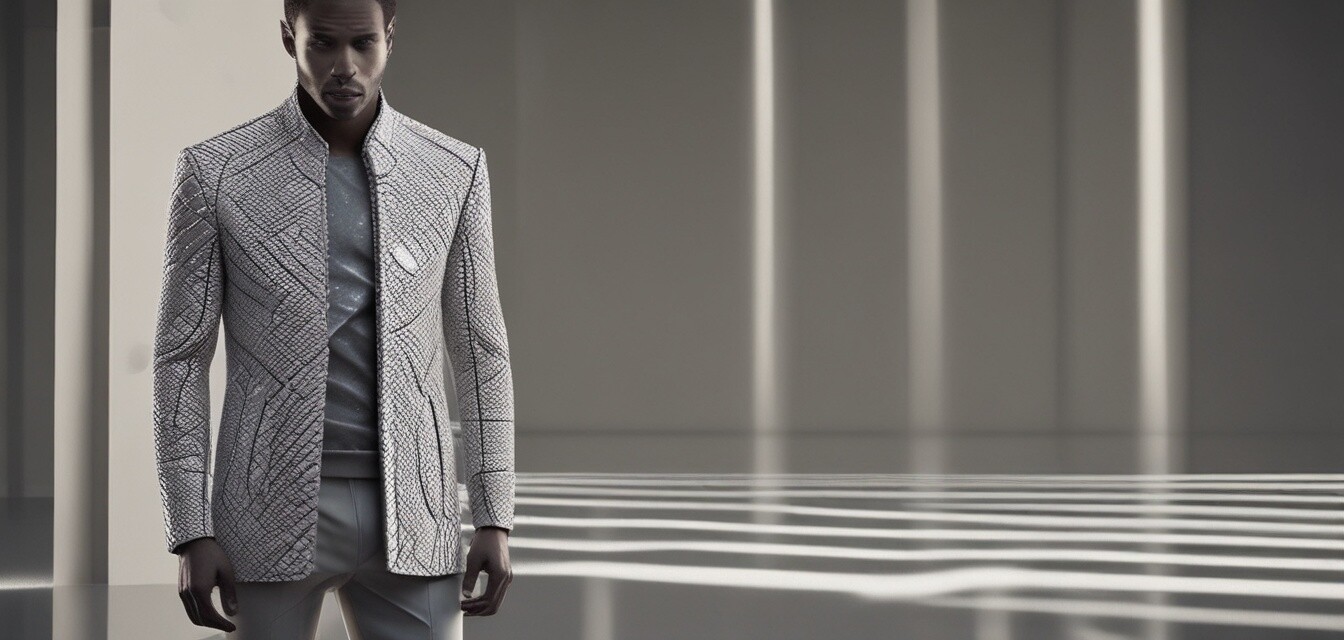
The Rise of Smart Fabrics in Everyday Men’s Wear
Key Takeaways
- Smart fabrics are rapidly changing the landscape of men’s fashion.
- These innovative materials offer functionality without compromising style.
- The integration of technology into clothing enhances comfort and performance.
- Adoption of smart fabrics is gaining traction due to consumer demand for tech-enhanced wear.
- Future trends may see even more advanced applications in everyday attire.
The fashion industry is witnessing a significant transformation with the rise of smart fabrics in everyday men's wear. As technology continues to evolve, it’s becoming a core component of our clothing, seamlessly integrating functionality with aesthetic appeal. From work attire to casual clothing, smart fabrics not only enhance the comfort and performance of garments but also redefine men’s fashion norms. In this article, we will delve into the advancements in smart fabrics, their benefits, applications in daily men's wear, and what the future may hold.
The evolution of smart fabrics
Smart fabrics, also known as electronic textiles (e-textiles), are textiles that have been engineered to incorporate technology and are capable of sensing and responding to environmental conditions or stimuli. The evolution of these materials has been propelled by significant advancements in nanotechnology, materials science, and electronics. Below is a simplified timeline showcasing key milestones in their development:
| Year | Milestone |
|---|---|
| 1960s | The introduction of conductive threads. |
| 1990s | First wearable technology prototypes showcased. |
| 2000s | Smart textiles are used in athletic and outdoor wear. |
| 2010s | Mainstream brands begin adopting smart fabric technologies. |
| 2020s | Widespread consumer awareness and demand for smart clothing. |
Benefits of smart fabrics
Smart fabrics provide a plethora of benefits, making them an attractive choice for consumers seeking technologically advanced clothing. Here are some notable advantages:
- Comfort: Advanced materials are designed to adapt to body temperature and movement, providing unparalleled comfort.
- Durability: Many smart fabrics exhibit improved resistance to wear and tear, prolonging the life of garments.
- Convenience: Features such as moisture-wicking and wrinkle-resistance enhance wearability in everyday life.
- Functionality: Integration of sensors can monitor health metrics, providing valuable data to the wearer.
Applications in everyday men’s wear
Smart fabrics are not just a trend; they are becoming increasingly integrated into men’s wardrobe essentials. Here are some areas where smart fabrics are making an impact:
- Activewear: Incorporating moisture control and breathability technologies for enhanced performance during workouts.
- Business Attire: Blending professionalism with comfort through wrinkle-resistant and stretchable fabrics.
- Casual Clothing: Enabling smart features such as temperature regulation in everyday shirts and trousers.
- Outerwear: Providing weather-resistant capabilities while maintaining a stylish appearance.
Future trends in smart fabrics
Looking ahead, the future of smart fabrics in men's fashion appears promising. Here are some exciting trends to anticipate:
- Increased Personalization: Customization options for consumers will allow for individually tailored smart features.
- Integration with IoT: Smart clothing may connect with home automation and other devices for a more integrated lifestyle.
- Focus on Sustainability: More brands will prioritize eco-friendly smart materials, appealing to environmentally conscious consumers.
- Health Monitoring: Wearable technology will expand to provide more comprehensive health tracking directly through clothing.
Pros
- Enhances comfort and performance in clothing.
- Offers durability that can withstand daily wear.
- Incorporates innovative technology to improve lifestyle.
Cons
- Potentially higher cost compared to traditional fabrics.
- Care and maintenance may require special attention.
- Consumer skepticism about durability and reliability.
Conclusion
The rise of smart fabrics marks a revolutionary shift in men's wear, combining style and functionality in ways previously unimaginable. As technology continues to advance and consumer preferences evolve, smart fabrics are set to redefine the future of fashion. If you're interested in exploring more about innovative clothing options, be sure to check out our sections on Smart Fabrics and Style Tips. Stay informed and be part of the conversation about the future of tech-integrated men's fashion.