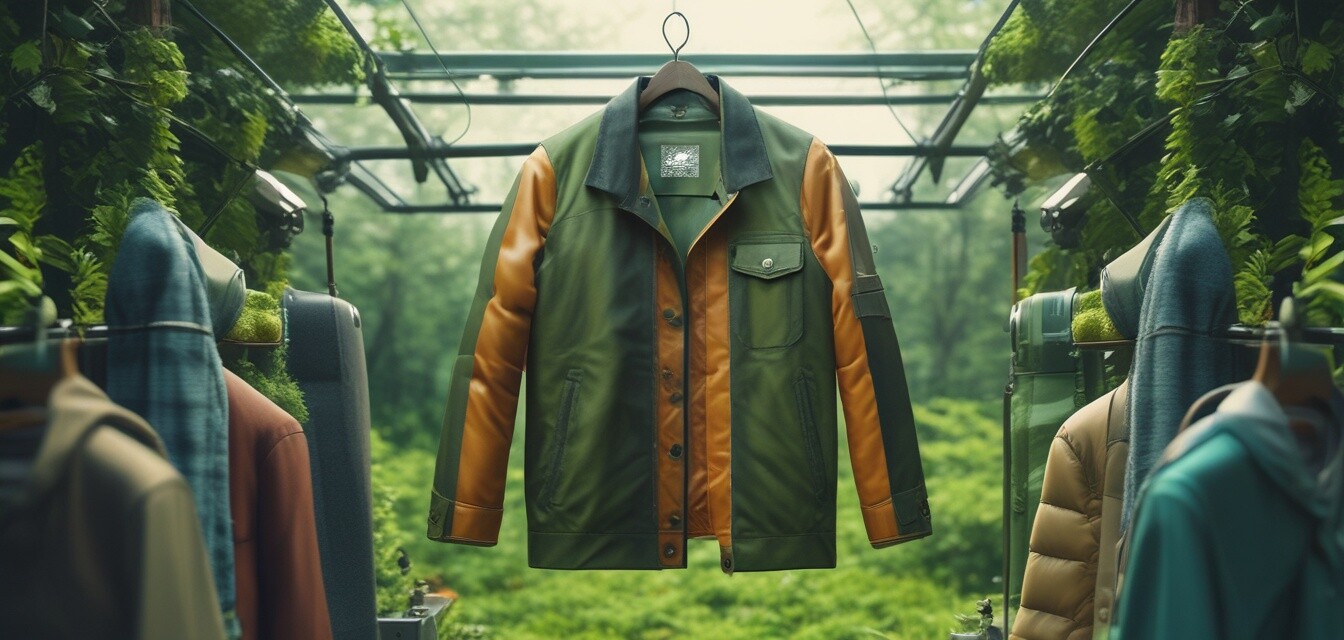
The Role of Sustainability in Tech Fashion
- Sustainability is becoming essential in the fashion industry, influencing tech-integrated fashion trends.
- Recycled materials and ethical production practices are transforming how men’s clothing is designed and produced.
- Technological advancements are leading to innovative applications in sustainable fabrics.
- Brand transparency is critical for consumers seeking eco-friendly options.
- Future fashion trends point towards increased responsibility and sustainability consciousness.
The convergence of fashion and technology in recent years has produced a surge of innovations, particularly in the realm of sustainability. As we look towards 2025, it's crucial to explore how these two domains are shaping one another. This article delves into how sustainability is influencing the development of tech-integrated fashion for men, serving both conscious consumers and forward-thinking brands.
Understanding sustainability in tech fashion
Sustainability within the fashion industry refers to practices that minimize environmental impact and promote ethical standards throughout the lifecycle of a product, from material sourcing to manufacturing and disposal. As tech-integrated men's wear continues to evolve, incorporating sustainable practices is critical for brand credibility and consumer expectations.
The impact of eco-friendly materials
One major trend in sustainable tech fashion is the use of eco-friendly materials. Many brands are turning to recycled, organic, and biodegradable textiles, ensuring that their products are not only innovative but also responsible. Some popular materials include:
| Material | Description | Benefits |
|---|---|---|
| Recycled Polyester | Made from recycled plastic bottles and waste, offering durability. | Reduces landfill waste and conserves natural resources. |
| Organic Cotton | Produced without harmful pesticides or synthetic fertilizers. | Supports healthier ecosystems and better working conditions. |
| Tencel | Made from sustainably sourced wood pulp, soft and biodegradable. | Requires less water and energy during production. |
| Hemp | A natural fiber that grows quickly and requires minimal chemicals. | Biodegradable and highly efficient in carbon capture. |
Technological innovations driving sustainability
The integration of technology is not just about smart features; it also plays a significant role in enhancing sustainability. Here are some technological innovations making waves in eco-friendly clothing:
- Smart Fabrics: Fabrics that adapt to temperature and moisture levels, reducing the need for washing and prolonging wearability.
- Wearable Tech: Devices that monitor environmental conditions to ensure optimally sustainable use of clothing.
- 3D Printing: Reduces waste by allowing precise material usage in garment production.
- Blockchain Technology: Increases transparency in supply chains by allowing consumers to trace the origins of materials used.
Trends in consumer behavior
Today's consumers, especially younger generations, are more informed and concerned about the environmental impact of their purchases. They are shopping intentionally, often prioritizing brands that are transparent and ethical. This shift is prompting brands in the tech-integrated fashion space to adopt sustainable practices as a core principle.
Brand transparency and ethical marketing
Brands that communicate their sustainability efforts effectively resonate with socially conscious consumers. They are sharing information about their manufacturing processes, material sourcing, and how they minimize environmental harm. Some strategies include:
- Highlighting certifications and eco-labels.
- Engaging in storytelling around the product lifecycle.
- Creating transparent policies that redefine return and recycling processes.
Conclusion
As we move forward, the relationship between sustainability and tech fashion will only become more intertwined. Innovation in material sourcing and technological advancement will guide the industry towards more responsible production. For brands focusing on tech-integrated men's wear, embracing sustainability is not just an option; it’s a necessity in building trust and loyalty among today's consumers.
Tips for embracing sustainable tech fashion
- Research brands that prioritize sustainability in their practices.
- Look for eco-friendly materials and certifications when shopping.
- Consider the longevity of products to reduce waste.
- Stay informed about emerging technologies in fashion and their environmental impacts.
Pros
- Lower environmental impact from sustainable practices.
- Greater consumer trust and brand loyalty.
- Leading to innovation and new technology integrations.
Cons
- Higher production costs can lead to increased retail prices.
- Challenges in sourcing reliable sustainable materials.
- Consumer skepticism towards greenwashing tactics.