Trends in Smart Casual Wear for 2025
- Smart fabrics and versatile styles will dominate smart casual wear.
- Augmented reality and wearable technology will enhance fashion functionality.
- Eco-friendly materials will become a key consideration in wardrobe choices.
- Blend of performance and style will redefine everyday fashion.
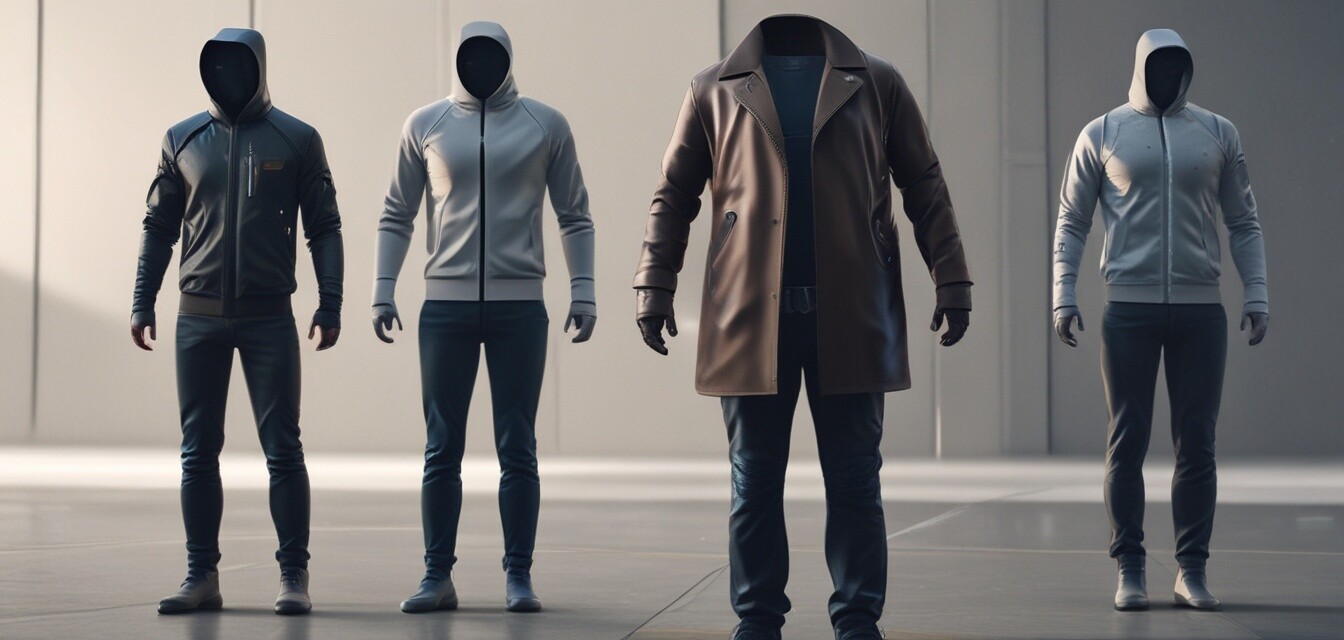
The world of men's fashion is constantly evolving, and as we look ahead to 2025, the smart casual wear segment is set to undergo remarkable transformations. With the integration of technology into everyday clothing, men’s fashion is becoming not only stylish but also functional. In this article, we explore the anticipated trends that will shape smart casual wear in the coming years.
The rise of smart fabrics
One of the most significant trends in smart casual wear is the use of smart fabrics. These textiles are designed with technology woven into the fabric, offering a range of benefits such as moisture-wicking properties, temperature regulation, and even built-in sensors.
Key characteristics of smart fabrics:
- Breathability
- Temperature control
- Lightweight materials
- Durability
This advancement in fabric technology allows for greater comfort and practicality in casual wear, making it ideal for both work and leisure. For more about the innovations in smart fabrics, check our Smart Fabrics category.
Augmented reality in fashion
Augmented reality (AR) is quickly becoming a game changer in the fashion industry. This technology enables users to experience clothing like never before, providing a fun and interactive way to try on outfits virtually. By 2025, we expect this trend to become mainstream, enhancing online shopping experiences.
Possible applications of AR in smart casual wear:
- Virtual fitting rooms on e-commerce platforms
- AR apps for trying on outfits
- Real-time customization of clothing designs
The AR trend aligns perfectly with the growing desire for personalized attire. If you want to stay updated on the latest news related to this technology, visit our News and Trends section.
Eco-friendly materials in smart casual wear
As consumers become increasingly eco-conscious, the demand for sustainable clothing continues to rise. In 2025, expect to see a greater emphasis on eco-friendly materials in the realm of smart casual wear. From organic cotton to recycled polyester, manufacturers are focusing on materials that are better for the environment.
Benefits of choosing eco-friendly materials:
- Reduction in carbon footprint
- Support for sustainable practices
- Increase in clothing durability
Incorporating these materials into everyday fashion reflects a commitment to the planet. For more on sustainable options, check out our Tech-Savvy Accessories.
Performance meets style
Smart casual wear is increasingly bridging the gap between aesthetics and performance. In the future, men will be looking for clothing that not only looks good but also offers enhanced function for everyday activities. This includes wrinkle-resistant shirts, stain-repellent trousers, and shoes with built-in support features.
Trends to look forward to:
Expect the fusion of stylish designs with functional elements:
| Clothing Item | Functionality | Style Feature |
|---|---|---|
| Dress Shirts | Wrinkle-resistant | Modern cuts and patterns |
| Trousers | Water-resistant | Tailored fit with various colors |
| Shoes | Extra cushioning | Fashionable designs |
Conclusion
The trends in smart casual wear for 2025 reflect a harmonic blend of function, style, and sustainability. As technology continues to impact the fashion industry, men’s clothing will evolve to meet the needs of the modern consumer. With smart fabrics, augmented reality experiences, eco-conscious manufacturing, and a focus on performance, the future looks promising for smart casual attire.
Tips for embracing these trends now:
- Research brands that prioritize smart fabrics and sustainability.
- Try AR apps for a fun shopping experience.
- Invest in versatile pieces that transition easily from work to play.
- Stay informed about upcoming technologies that may enhance your wardrobe.
Pros
- Innovative designs that enhance user experience.
- Functionality features that improve everyday wear.
- Sustainable practices contributing to environmental conservation.
Cons
- Higher price points for advanced technologies.
- Limited options may restrict personal style choices.